Introduction: Beyond Grades and Exams
When most people think about school, the first images that come to mind are textbooks, lectures, and exams. However, the real depth of education often lies outside these traditional elements. Schools are not only places of academic instruction but also environments where children learn essential life lessons. These lessons may not appear on report cards, yet they play a powerful role in shaping character, relationships, and future success.
Lesson in Discipline and Time Management
One of the first silent lessons schools teach is discipline. From adhering to timetables to submitting homework on time, students gradually learn how to manage time and responsibilities. Even though it often feels like a struggle, these habits prepare individuals for professional and personal commitments later in life. Schools act as a foundation for Secret Lessons learning the importance of punctuality, prioritization, and consistency.
Learning How to Work With Others
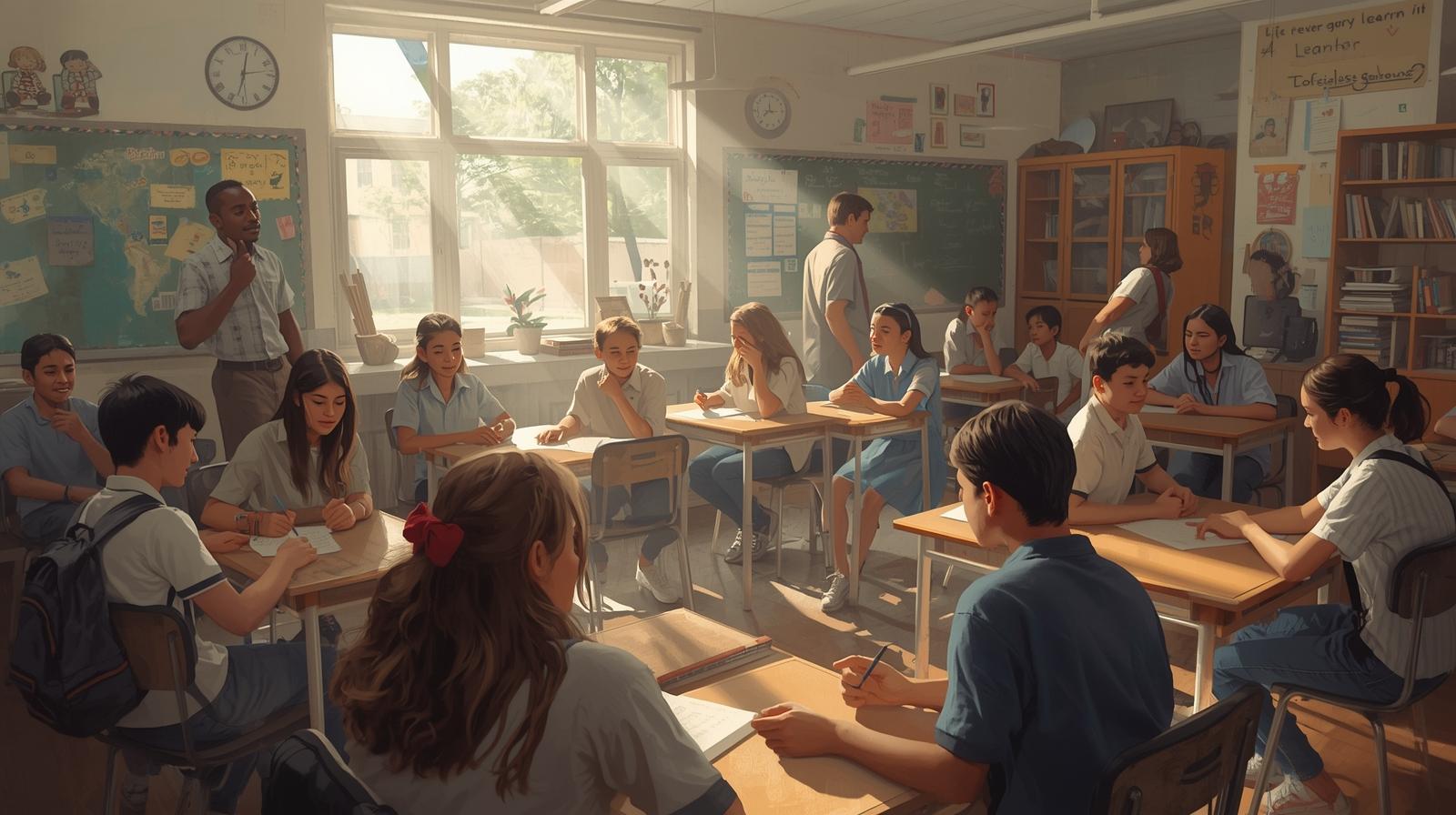
Group projects, sports teams, and classroom discussions all highlight the significance of collaboration. While academics focus on personal achievement, the school environment emphasizes teamwork. Students learn to negotiate, share responsibilities, and handle differences of opinion. These experiences build skills in communication, leadership, and conflict resolution—skills that no textbook can fully capture.
The Value of Respect and Social Etiquette
Schools bring together students from different families, cultures, and backgrounds. Through daily interactions, children learn the importance of respect, kindness, and empathy. Whether it’s standing in line, raising hands before speaking, or respecting teachers, these subtle practices shape social behavior. Over time, they become vital tools for navigating relationships in the real world.
Coping With Success and Failure
Exams may measure knowledge, but the deeper lesson is how students handle results. Success teaches confidence, while failure provides resilience. These experiences remind students that failure is not the end, but a stepping stone toward improvement. The emotional strength developed during school years often serves as the backbone for future challenges.
Adaptability and Problem-Solving
Unexpected changes—like sudden rule shifts, surprise quizzes, or adapting to new teachers—quietly teach adaptability. Students learn to think on their feet, find solutions, and remain calm under pressure. These skills become essential when facing the unpredictable nature of adulthood and professional life.
Hidden Lessons in Leadership and Responsibility
Opportunities such as being a class monitor, leading a team, or organizing events allow students to explore responsibility. These roles instill accountability and leadership, often sparking confidence in students who may not have realized their potential. Such experiences nurture qualities that extend far beyond the classroom.
Conclusion: Education Beyond the Classroom
The most powerful outcomes of schooling are not limited to exam scores or textbook knowledge. The hidden curriculum—discipline, teamwork, empathy, resilience, adaptability, and leadership—shapes individuals into capable, responsible, and thoughtful citizens. While textbooks may close after graduation, these secret lessons remain active for a lifetime, guiding people in careers, relationships, and personal growth.